
🚀 Danh sách câu hỏi
Dưới đây là list câu hỏi đề thi thật IELTS Speaking thường xuất hiện trong ngày 15/9.
📝 Sample từng câu:
PART 1: MOBILE PHONE
-
Do you remember your first mobile phone?
I personally got my first mobile phone - a Nokia - when I was a high school student. Even that one was a bit on the pricey side back then for me but my parents shelled out for it after I got good marks one year. It was a small basic phone that cost something in the range of 800,000 VND. -
Do you often use your mobile phone for texting or making phone calls?
To be honest, I get much more of a kick out of video calls. If I’m working on a school project, then I’ll ring up my partner and chat by video. I also call my mom and dad every now and then though I put that off for as long as I can. -
How has your mobile phone changed your life?
My mobile phone has made a profound impact on my life. It keeps me connected with others, no matter the distance. It's not only a communication device, it's also a source of entertainment, a tool for education, and a means to manage numerous daily tasks. -
Will you buy a new mobile phone in the future?
Well, I should stop pouring money down the drain by buying new phones when the newest model is out - especially since my old one still works fine. But the social status element of it is important to me.
PART 2:
Describe something you own that you want to replace
You should say:
-
What it is
-
Where it is
-
How you got it
And explain why you want to replace it.
The item that I really want to replace is my laptop. I keep it in my bedroom, and I use it for studying, browsing the internet, and watching movies. My dad gave it to me as a gift two years ago after I passed the national entrance examination. It was a reward for my hard work and to help me with my studies.
At first, the laptop worked perfectly and did everything I needed it to do. But over time, it’s become really slow and often lags, especially when I try to run multiple applications at once. This makes it hard to finish my school assignments efficiently. Plus, it overheats quickly, even when I’m just browsing the web or streaming videos, which makes it uncomfortable to use for long periods.
The main reason I want to replace this laptop is its poor performance. Its sluggish speed and frequent overheating are really frustrating and they hinder my productivity. I end up spending more time waiting for programs to load and dealing with unexpected shutdowns than actually working on my tasks. This has become a big inconvenience, especially as my academic workload has increased.
So, the current condition of the laptop is far from ideal for my needs. Getting a more innovative and efficient model would really improve my ability to study and complete assignments. And of course, my daily tasks will be much easier and less stressful.
Part 3:
-
What kinds of things do young people like to replace?
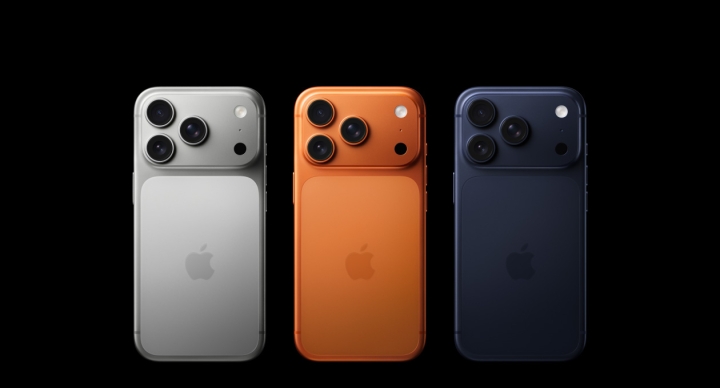
Even though I’m still a teenager, I’m not quite sure about others’ preferences. But from what I’ve observed, people around my age tend to replace their phones to keep up with the latest trends. For example, I still use an old iPhone 8 from years ago, but many of my friends are upgrading to newer versions like the iPhone 15, perhaps to show off their wealth and avoid being left behind. Besides phones, they also tend to replace their clothes frequently to keep up with fashion trends. -
Do old people in Vietnam like to collect and store things?
Yes, they definitely do. For example, my parents and grandparents have lots of plastic bags stored in random drawers around the house. They also tend to keep old clothes instead of giving them away or donating them, often saying it’s for future use, just in case. I must admit that I’ve picked up this habit too, especially when it comes to keeping reusable bags. They are quite convenient and I don’t have to spend money on buying new bags when needed. Now that I think about it, this habit is quite common in almost every Asian country. It seems to be part of our culture. -
Who do you think will want new things, children or old people?
I think children, probably. I believe that as people get older, having experienced a lot in life, they may not be as interested in getting new things as younger people are. I’m not saying that all older people don’t like purchasing new items, but children are generally more curious and eager to explore the world around them. Therefore, they are more likely to find joy in replacing their current possessions with new ones. -
What's the difference between new things and old things?
Well, I think the primary difference between new and old things is its features. New things often come with updated functions, better quality, and more advanced technology. For instance, a new smartphone might have a better camera, faster processor, and longer battery life compared to an older model. Similarly, new cars are often more fuel-efficient and equipped with advanced safety features that older models lack. Ultimately, these improvements can make new items more appealing and functional compared to their older versions.
WORD LIST
-
On the pricey side: Hơi đắt, mắc tiền
-
To shell out for: Chi tiền mua cái gì, đặc biệt là đồ đắt tiền
-
To get a kick out of: Yêu thích, thích
-
To make a profound impact: Có tác động sâu sắc đến
-
To pour money down the drain: Lãng phí tiền bạc
-
Sluggish: Chậm chạp
-
To hinder productivity: Cản trở năng suất làm việc
-
Academic workload: Khối lượng công việc học tập
-
Far from ideal: Không lý tưởng
-
To keep up with: Bắt kịp, đuổi theo
-
To show up: Khoe khoang
-
Possession: Sự sở hữu, quyền sở hữu
-
Fuel-efficient: Tiết kiệm nhiên liệu
💡 Lời kết:
Bài viết này đã mang đến cho bạn bí kíp chinh phục Speaking , từ bộ câu hỏi quen thuộc, câu trả lời mẫu chuẩn band cao cho đến danh sách từ vựng ghi điểm giúp bạn dễ dàng gây ấn tượng với giám khảo. True IELTS tin rằng với những gợi ý thực tế và dễ áp dụng này, bạn hoàn toàn có thể tự luyện tập tại nhà mà vẫn đạt hiệu quả cao, đồng thời xây dựng sự tự tin để bứt phá điểm số trong kỳ thi IELTS sắp tới.
📍 THAM GIA Group trao đổi thông tin liên quan để cập nhật tình hình hỗ trợ các ngày thi:
https://www.facebook.com/groups/973836027775088
📍 Group dự đoán đề ielts, nhận tài liệu free: https://zalo.me/g/cyvgkn910
Tài liệu dự đoán ib za.lo: 0931.369.966